

Begijnhof
About
Begijnhof
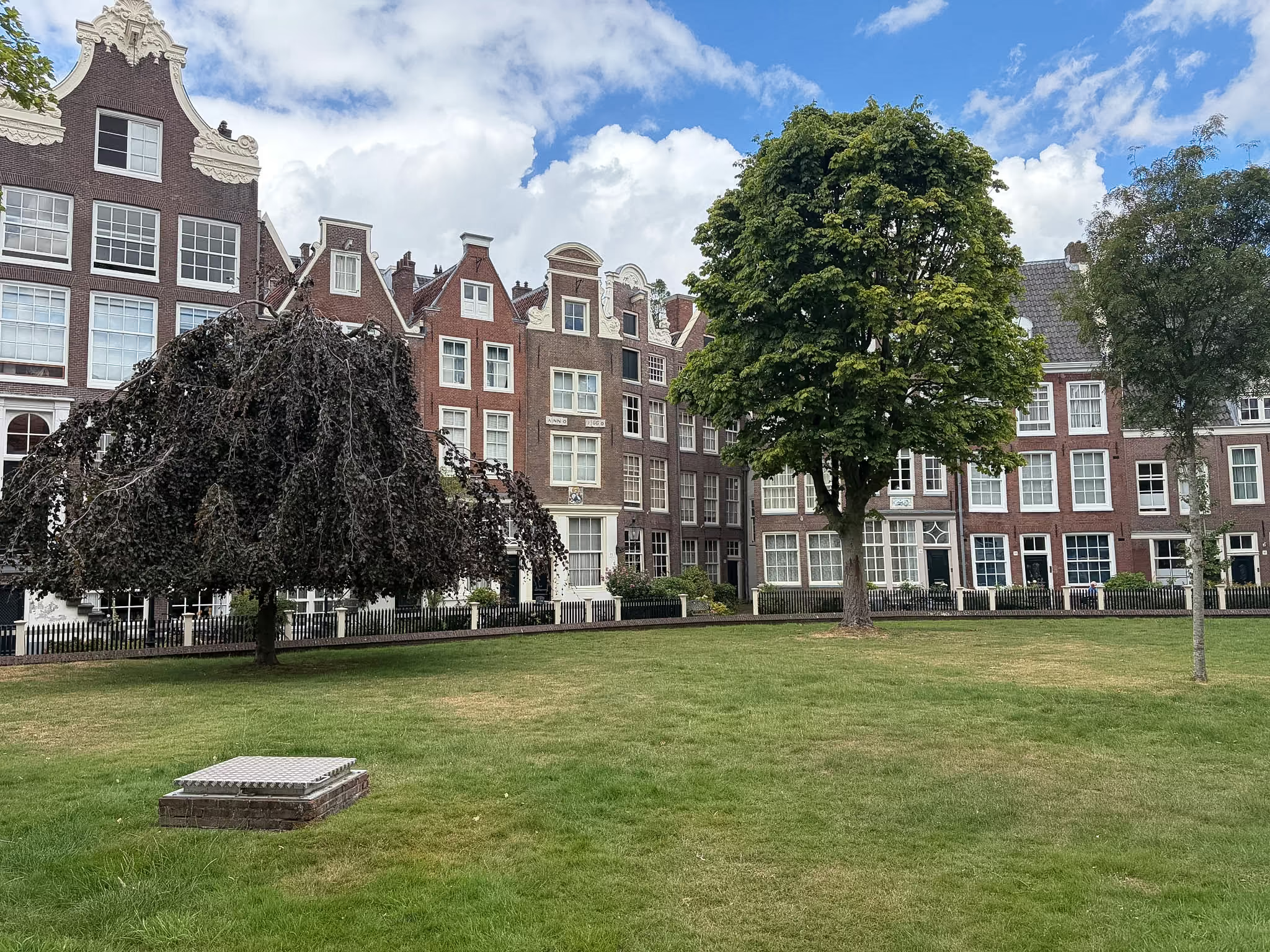
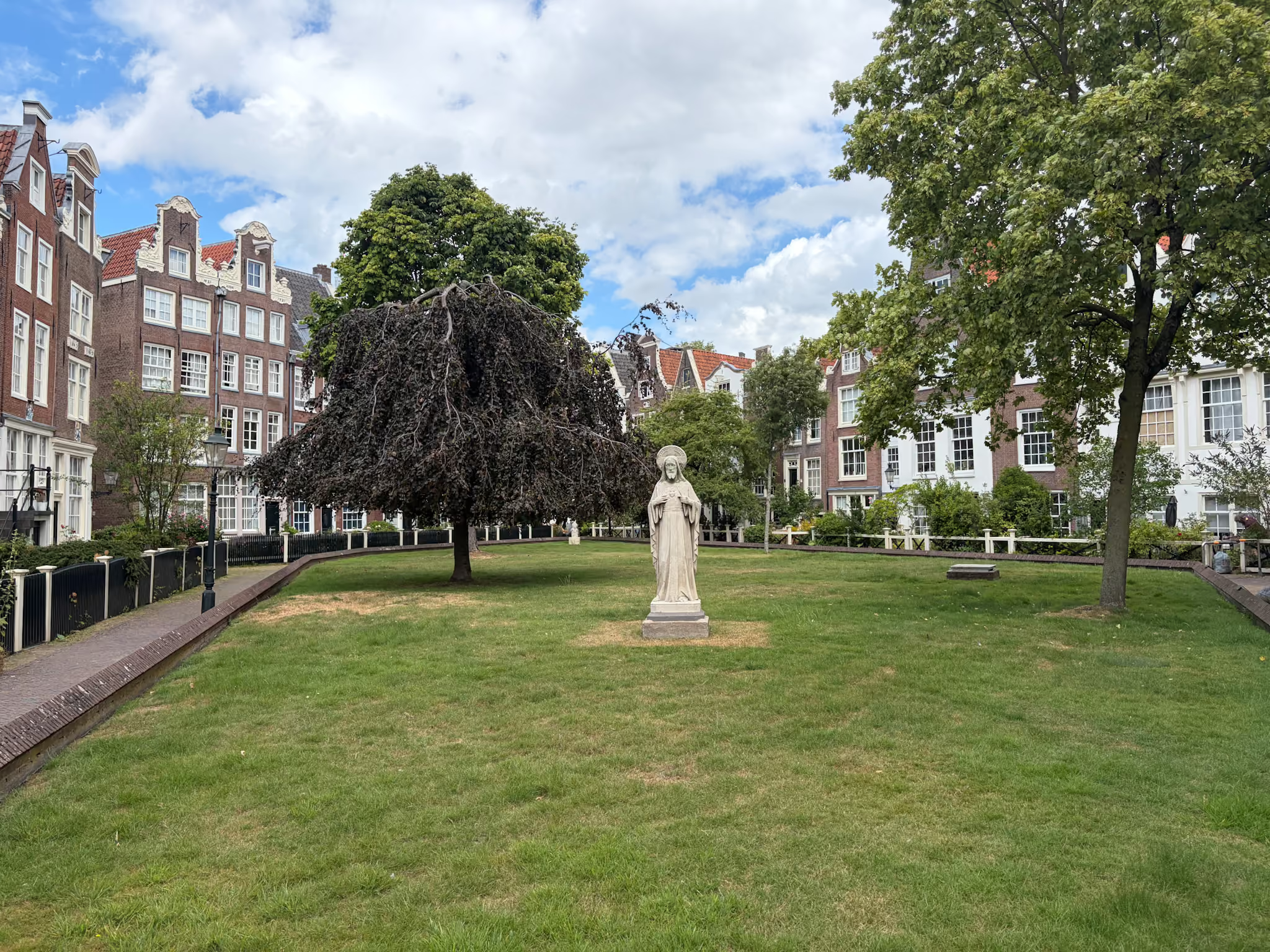
The Begijnhof is one of Amsterdam’s oldest and most atmospheric hidden courtyards. Concealed behind an unassuming entrance near the Spui, it offers a remarkable contrast to the busy shopping streets surrounding it.
The exact date of its foundation is unknown, but the Begijnhof was first mentioned in 1307. It was created for the Beguines: unmarried religious women who lived together in a Catholic community but were not nuns and did not take lifelong monastic vows. The last Beguine died in 1971, but the courtyard is still inhabited by more than one hundred women.
The houses surrounding the peaceful central green display different styles of traditional Amsterdam architecture. Many façades date from the 17th and 18th centuries, although the wooden structures behind several of them are much older.
The most important building is Het Houten Huys at number 34. Dating from before Amsterdam’s great city fire of 1452, it is one of the oldest surviving wooden houses in the city. The house remains a private residence and can only be viewed from outside.
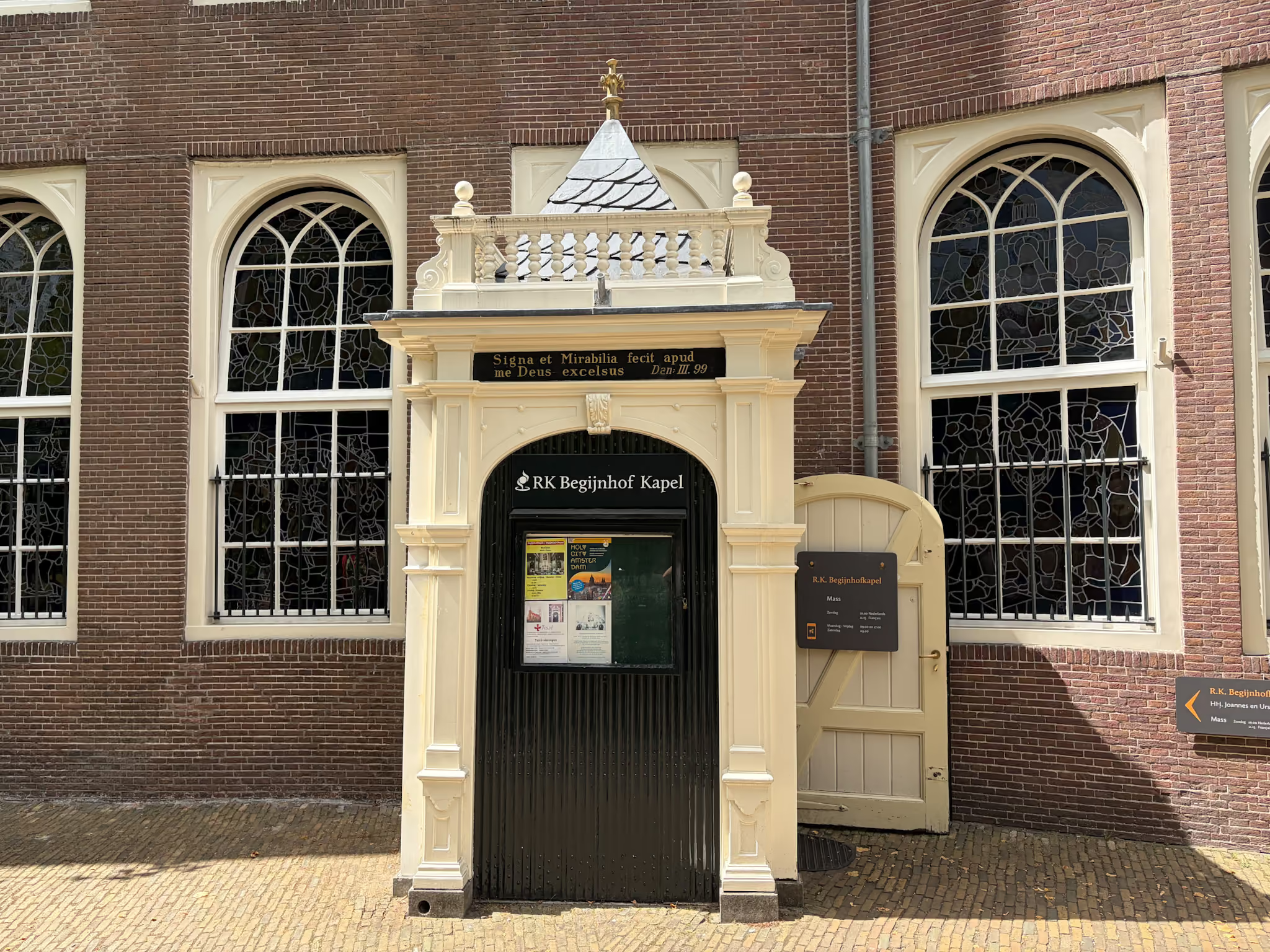
The courtyard also contains two churches. The English Reformed Church occupies the original medieval chapel, while the Catholic Begijnhof Chapel was created as a hidden church after public Catholic worship was prohibited. Its discreet exterior conceals a richly decorated interior connected to the Miracle of Amsterdam.
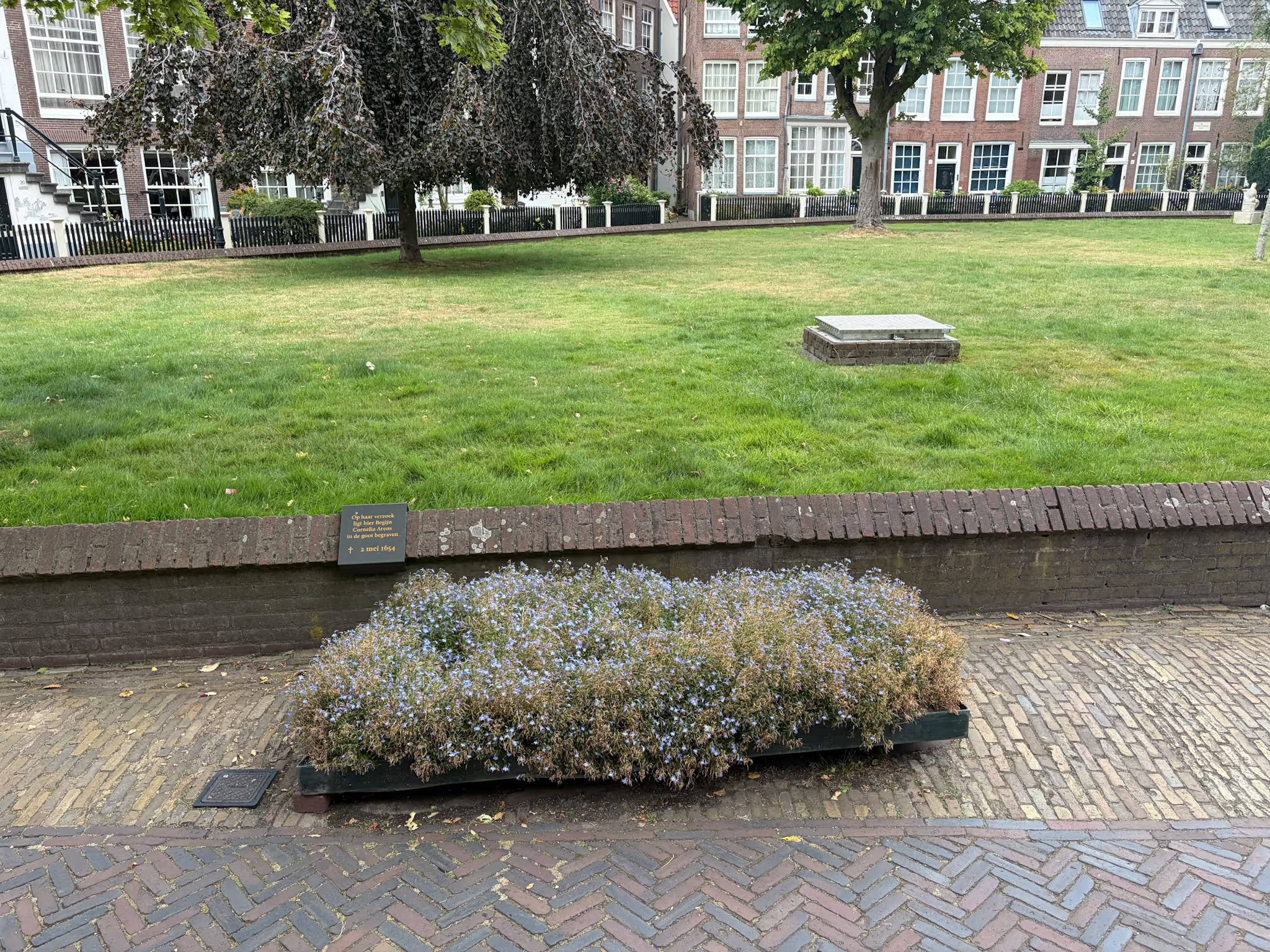
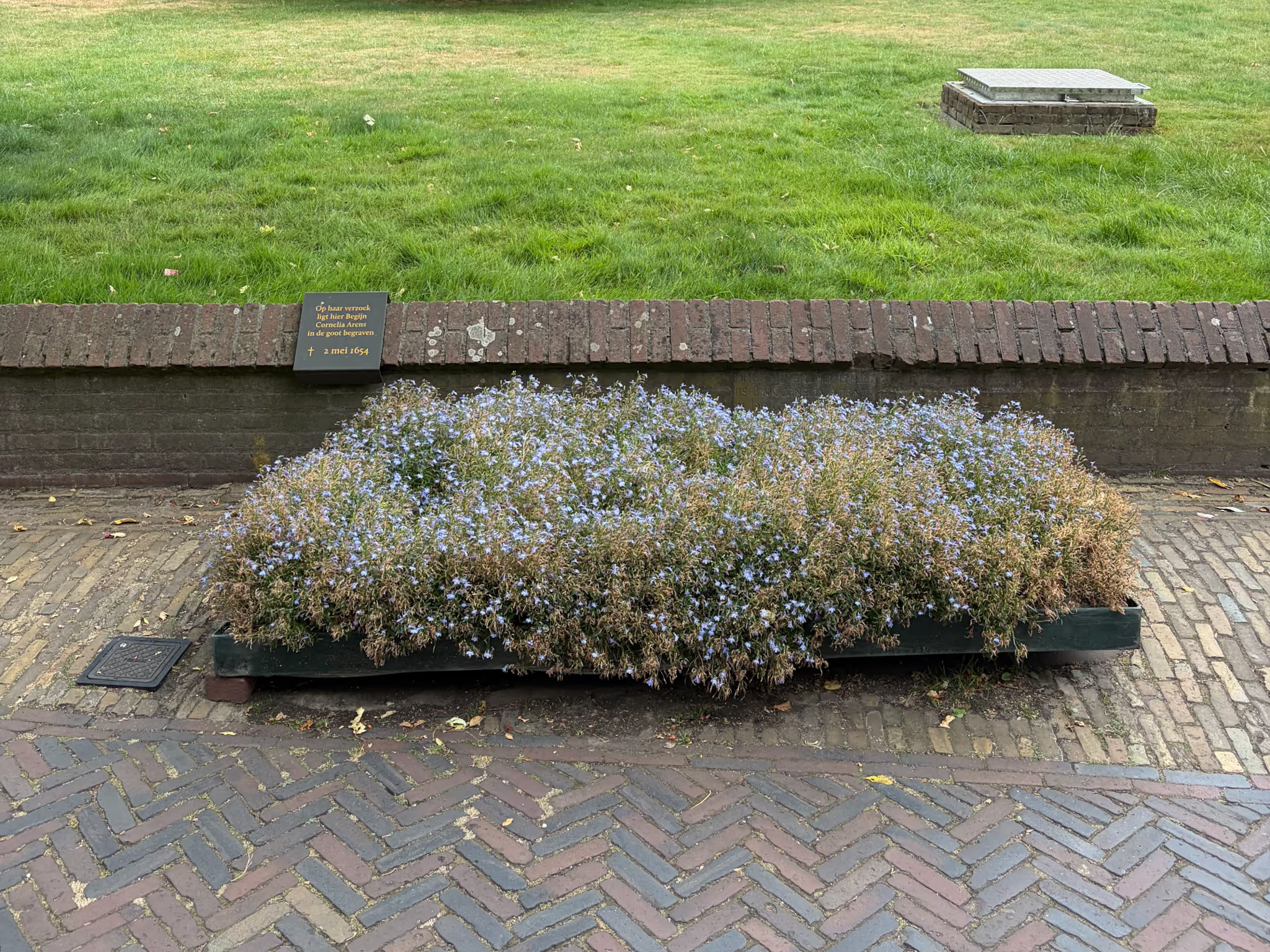
One of the Begijnhof’s most remarkable stories concerns Cornelia Arens, the daughter of wealthy parents and a member of the Beguine community. When she died in 1654, she did not want to be buried inside the church because her family had converted to Protestantism. As an act of penance, she asked to be buried outside in the gutter beside the church.
Her request was initially ignored and she was buried inside. According to the story, her grave mysteriously opened three times during the following days, with her coffin repeatedly appearing outside beside the gutter. Her wishes were eventually respected and she was buried in her chosen location.
Her stone marker can still be seen beside the church. Every year on 2 May, it is traditionally decorated with a cross made from forget-me-nots.